Ultra High Performance
WHAT'S THE DIFFERENCE BETWEEN HIGH PERFORMANCE AND ULTRA HIGH PERFORMANCE TIRES

HIGH PERFORMANCE TIRE CHARACTERISTICS ...
- Typically have aspect ratios of 60
- Have an H speed rating
- Provide improved traction and handling as compared to non-performance tires
- Often provide all-season capabilities but some are not built for snow and ice
- Are generally less expensive than Ultra High Performance products

ULTRA HIGH PERFORMANCE TIRE CHARACTERISTICS ...
- Typically have aspect ratios of 55 or lower
- Have speed ratings of V or above
- Typically are designed for rim diameters of 16" and above
- Provide excellent traction, cornering and overall handling
- Have stiffer sidewalls to maximize contact with the road during cornering
- Not designed for snow and ice although there are exceptions
ASPECT RATIO

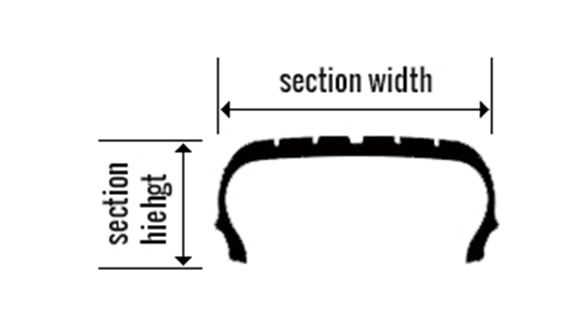
- The aspect ratio is the section height of the tire divided by its section width
- Low aspect ratio tires are wider and have shorter, stiffer sidewalls
- Low aspect ratios deliver enhanced performance attributes such as hard cornering and improved handling
- Low aspect ratio tires also impart a sporty, modern look

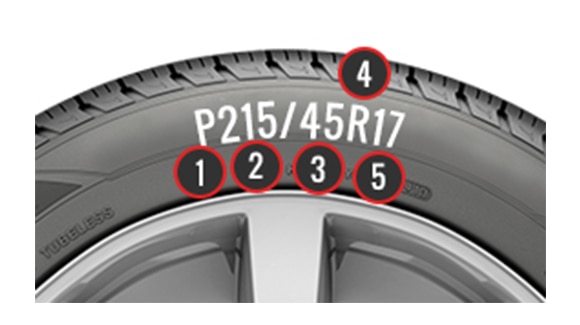
- 1 : passenger
- 2 : section width (mm)
- 3 : aspect ratio (section height/section width)
- 4 : radial construction
- 5 : rim diameter
speed rating
- A tire with the proper speed rating is important for a vehicle`s overall performance capability
- When replacing a tire, always match or exceed the speed rating of the vehicle`s original equipment to preserve the performance capabilities of your vehicle.
- A speed rating indicates the maximum speed at which a tire can perform based on controlled tests - but it does not sanction operating speeds beyond what's permissible by law.
- A speed rating is identified within an alphanumeric "service description" code.
Example of Service Description (load index + speed rating) 99H
- 99 : load index, equating to a max load carrying capacity of 1,709 lbs.
- H : speed rating, indicating a maximum safe speed of 130 mph
Tire Speed Ratings
| Symbol | Max Speed (mph & km/h) | Symbol | Max Speed (mph & km/h) |
|---|---|---|---|
| Q | 99 mph | R | 106 mph |
| S | 112 mph | T | 118mph |
| U | 124 mph | H | 130 mph |
| V | 149 mph | W | 168 mph |
| Y | 186 mph |
| Symbol | Max Speed (mph & km/h) |
|---|---|
| Q | 99 mph |
| S | 112 mph |
| U | 124 mph |
| V | 149 mph |
| Y | 186 mph |
| R | 106 mph |
| T | 118mph |
| H | 130 mph |
| W | 168 mph |
WHAT ABOUT Z-SPEED RATED TIRES?
Z-speed rated tires originally reflected the hightest speed rating. When new cars were developed that could exceed this speed, the automotive industry added the W and Y rating. While a Z-rating still often appears, such as : 215/50ZR16 91W ... the Z in the size signifies a maximum speed capability in excess of 149 mph; the W in the service description indicates the tire's 168 mph maximum speed. When the Y-rating in a service description is enclosed in parentheses such as 285/35ZR19 (99Y), the top speed of the tire has been tested in excess of 186 mph.